Garage Floor Cleaning: Tackling Grime Without the Mess
Garage floors collect tyre marks, oil drips, dust and garden debris. In Ballina, NSW, humid conditions and moisture tracked in during wet weather can also leave surfaces slippery. Effective garage floor cleaning removes this build-up without spreading dirty water onto your driveway, damaging the floor coating or washing pollutants into stormwater drains.

Check Your Garage Floor Before Cleaning
Start by identifying the surface. Bare concrete absorbs liquids readily, while sealed concrete and epoxy-coated floors need products that will not damage their protective finish. Check the coating manufacturer’s care instructions before using degreasers or pressure-cleaning equipment.
Look for cracks, loose coatings and damp patches. Cleaning will not fix underlying moisture problems, and high-pressure water can worsen flaking finishes. Test any unfamiliar cleaner in a small, inconspicuous area first.
A Practical, Low-Mess Cleaning Method
https://kylerlsex692.rivertonbrief.com/posts/how-to-pressure-wash-pebblecrete-without-dislodging-stones- Clear and dry-sweep: Move vehicles, boxes and tools out of the work area. Sweep or vacuum loose grit before introducing water. Keep electrical equipment and stored chemicals away from the cleaning zone.
- Absorb fresh oil: Cover small, fresh drips with a suitable commercial absorbent. Collect the material before washing, and check local disposal guidance for oil-contaminated waste.
- Spot-treat grime: Apply a concrete-safe or coating-compatible degreaser at the label dilution. Allow the recommended dwell time without letting it dry, then scrub with a stiff nylon brush.
- Clean in manageable sections: Use a mop or controlled amount of water rather than flooding the garage. Work towards a collection point, not the street.
- Recover dirty water: Use equipment rated for liquid pickup, such as a suitable wet vacuum, and arrange appropriate wastewater disposal. Allow the floor to dry fully before returning stored items or parking.
Remove Stains Without Damaging the Surface
Oil and grease
Older oil stains may need repeated treatment or a purpose-made concrete poultice. Deeply absorbed oil can leave a shadow even after cleaning. Avoid petrol, solvents and improvised chemical mixtures, which can create fire risks, harmful fumes or surface damage.
Tyre marks and rust
Use a surface-compatible cleaner and nylon brush for tyre marks. Rust may require a specialised remover, but acidic products can etch concrete or damage coatings. Never mix cleaning chemicals, particularly bleach with acids or ammonia.
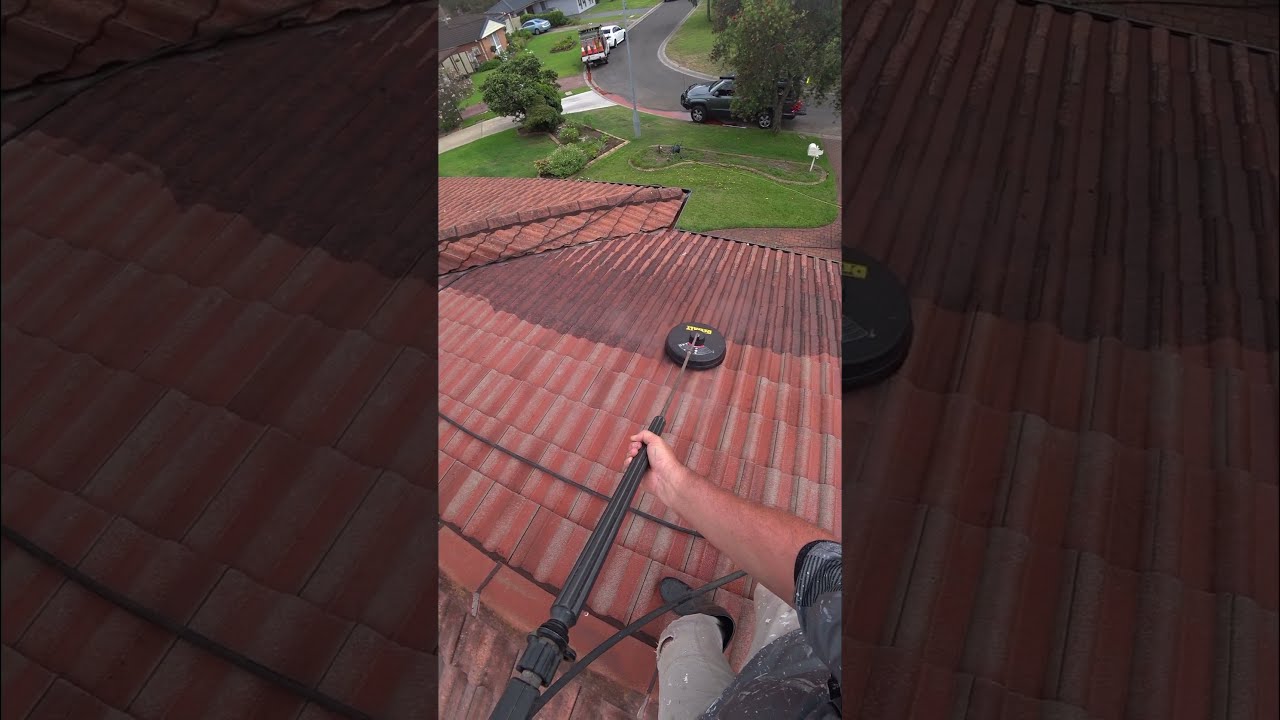
Keep Wash Water Out of Ballina’s Stormwater
Do not hose oil, detergent or contaminated wash water into gutters or stormwater drains. Stormwater can carry pollution into local waterways, including the Richmond River. A product labelled biodegradable is not automatically safe to discharge outdoors.
Check current Ballina Shire Council guidance for waste disposal and any applicable water restrictions before starting. Do not assume collected wash water can go into a household drain; ask about an appropriate disposal route.

When Professional Garage Floor Cleaning Helps
Professional cleaning is worth considering for widespread grease, stubborn staining or jobs needing wastewater recovery. Ask the provider how they protect coated surfaces, contain runoff and collect dirty water. Pressure cleaning is not suitable for every floor, so the method should match the surface condition.
Between deeper cleans, sweep regularly, address spills promptly and use a suitable drip tray beneath leaking equipment. These simple habits reduce grime build-up and make the next clean quicker and less messy.
Ballina Pressure Cleaning
0440 133 837